
Fabric Protection in Park City
24/7 fabric protection in Park City, UT. IICRC-certified, insurance billing accepted. Call (801) 995-2437.
Our IICRC-certified technicians are dispatched from our Saratoga Springs, UT headquarters and are typically on-site in Park City within 60 minutes of your call.
At 7,000 feet, Park City’s high-desert mountain climate does things to fabric that most homeowners don’t anticipate. The combination of intense UV radiation, low humidity that causes fibers to dry-crack, and the fine red-clay soil tracked in from trails around the Wasatch Back means that sofas, area rugs, and carpets here take a beating that’s genuinely different from what happens in Salt Lake Valley homes. Fabric protection applied correctly, and calibrated to this environment, can extend the life of your upholstery and flooring by years, not just months.
Why Park City Fabrics Take a Harder Hit Than Most
The soil composition around Park City is a significant factor. The reddish, iron-rich dirt common to the Wasatch Range doesn’t behave like typical valley dust, it binds to synthetic fibers at a molecular level and is notoriously difficult to lift once it’s been ground in by foot traffic. Ski season compounds the problem: boots, bindings, and waterproof outerwear all carry silicone-based residues from wax and waterproofing sprays, and those residues act as a magnet for particulate soil once they’re deposited on carpet or upholstery.
High UV exposure is the other variable. At this elevation, fabrics on south-facing windows or sunrooms fade and weaken faster than the same materials would at lower altitude. A quality fluoropolymer-based fabric protector creates a barrier that slows UV degradation while simultaneously repelling liquid spills, red wine after a ski day, hot cocoa, sports drinks, before they can wick into the fiber core.
Our Fabric Protection Process in Park City
We start with a thorough pre-treatment inspection of the fabric, fiber content, existing soiling, any prior protector applications that may have broken down. Older protectors can actually interfere with a fresh application if they’re not properly removed first, so we test before we spray.
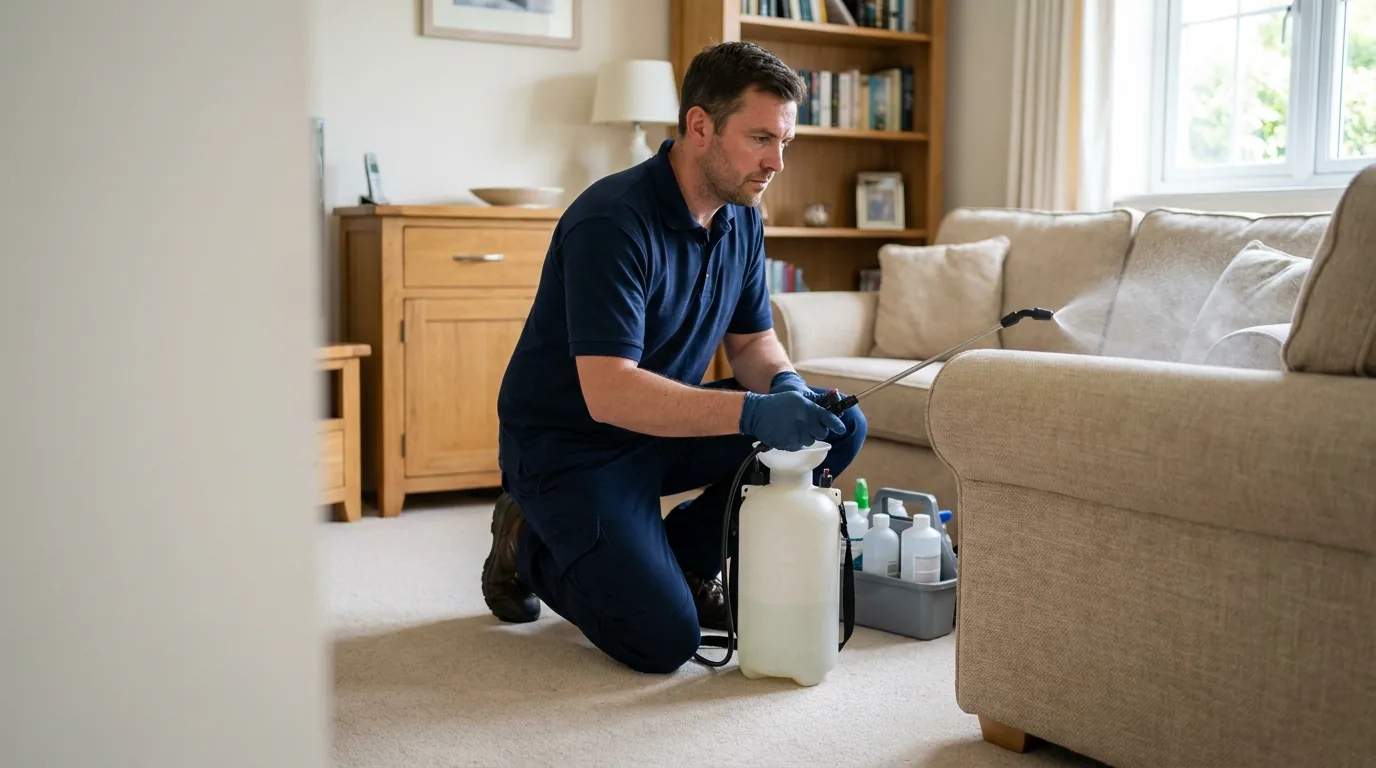
The application itself uses a professional-grade fluoropolymer protector, the same class of chemistry used in commercial hospitality settings, applied at the correct dilution for the fiber type. Wool area rugs common in higher-end Park City vacation homes require a different dwell time and agitation method than synthetic wall-to-wall carpet. After application, we use low-heat air movers calibrated for the dry mountain air; because Park City’s ambient humidity can drop below 20% in winter, fabrics dry faster here than in humid climates, but we still monitor to ensure the protector cures evenly rather than flashing off too quickly on the surface.
For upholstered pieces, we work section by section to avoid tide lines, and we always test a hidden area first, especially on performance fabrics that are increasingly popular in ski-home furnishings.
Vacation Rentals, HOAs, and Fabric Protection in Park City
A significant portion of Park City’s housing stock functions as short-term vacation rentals, and property managers in the 84060 ZIP code area know that guest turnover is relentless from November through March and again in summer. HOA covenants in many of Park City’s resort communities require that common-area furnishings and carpeting be maintained to a defined standard, fabric protection is one of the most cost-effective ways to stay compliant without scheduling deep cleaning after every guest departure.
For property managers coordinating multiple units, we can schedule fabric protection treatments during turnover windows and document the application for HOA records. We carry general liability insurance and are IICRC Certified, which satisfies most property management vendor approval requirements without additional paperwork on your end.
Local Note: What Ski Season Does to High-Traffic Entry Areas
Here’s something that comes up repeatedly when we work in Park City vacation properties and primary residences alike: the entry zones, mudrooms, boot rooms, and the first 6–8 feet of carpet inside any exterior door, take disproportionate abuse during ski season because guests and family members don’t always remove boots immediately. Boot liners carry a cocktail of sweat salts, ski wax residue, and that red Wasatch clay, and it all gets deposited in a concentrated zone. We recommend a heavier application rate and a second pass on those high-traffic entry areas, and we advise clients to reapply protection to those zones annually even if the rest of the carpet is on a two-year cycle. It’s a small adjustment that makes a measurable difference in how long the carpet holds up between deep cleanings.
If you’re managing a property near the ski resort base areas or in the Old Town corridor, this entry-zone strategy is especially worth discussing when we’re on-site.
Ready to protect your Park City home or rental property before the next season hits? Call Home Pride Restoration and Cleaning at (801) 995-2437, we’ve been protecting Utah homes since 1997, and we understand what this specific mountain environment asks of your fabrics.
Serving Park City from our Saratoga Springs headquarters — ★ 5.0 · 36 Google reviews
“Curt was soooo amazing! Fast and efficient! Very sweet and kind! Would use again if we weren’t moving out of state!!!!!” — Kristina, August 2026
Fabric Protection in Park City: Service Coverage Map
Frequently Asked Questions
How fast can you arrive for fabric protection in Park City?
How long does fabric protection last in Park City's dry mountain climate?
Does the red clay soil around the Wasatch Back affect how fabric protection performs?
Can fabric protection be applied during a short-term rental turnover in the 84060 area?
What fabrics in Park City vacation homes are hardest to protect effectively?
How far is your team from Park City, and how quickly can you schedule a fabric protection appointment?
Will my homeowners insurance cover fabric protection in Park City?
Fabric Protection response in Park City
Most Park City calls see a technician on-site within 60 minutes from our Saratoga Springs headquarters.