TL;DR: Sewage backup cleanup costs typically range from a few hundred dollars for a small, hard-surface bathroom to well over $10,000 for a finished basement with carpet, drywall, and antimicrobial treatment. The biggest cost drivers are square footage affected, how much porous material (carpet, pad, drywall) has to be removed, and how many days of equipment are needed to dry the structure. Most homeowners insurance excludes sewer backups unless a specific endorsement was added.
If a toilet, floor drain, or sewer line just backed up into your Saratoga Springs basement, you’re probably staring at a wet carpet, a smell you can’t ignore, and a mental math problem: is this worth a claim, and what’s this actually going to cost? Saratoga Springs sits on the shores of Utah Lake, and a lot of the city’s housing stock is newer construction with finished basements, which means more porous material at risk when a backup happens. Here’s how the pricing actually breaks down.
How much does sewage backup cleanup cost in Saratoga Springs, UT?
Most sewage backup cleanups run between $500 for a contained, hard-surface incident and $15,000 or more for a finished basement that needs full demolition, drying, and sanitizing. The number depends almost entirely on how much area got wet and whether the water reached carpet, drywall, or insulation.
This is Category 3 water, also called black water, under the ANSI/IICRC S500 standard for professional water damage restoration. That classification matters for pricing because Category 3 water requires removal of nearly all porous materials it touches rather than just drying them, which adds demolition, disposal, and antimicrobial costs that a clean-water loss wouldn’t have.
| Scenario | Typical cost range |
|---|---|
| Small area, hard-surface flooring only (tile, vinyl, concrete) | $500 - $1,500 |
| Finished basement, carpet and pad affected, under 300 sq ft | $3,000 - $7,000 |
| Larger finished basement, drywall flood-cut and full antimicrobial treatment | $7,000 - $15,000+ |
| Structural drying add-on (air movers, dehumidifiers, 3-5 days) | $1,000 - $2,500 |
| Sewer line repair or hydro-jetting (separate from cleanup) | $500 - $3,000 |
These are typical industry ranges, not a quote. Every loss is different, and a written scope after an in-person assessment is the only reliable number.
What actually drives the price per square foot?
Sewage cleanup costs more per square foot than a clean-water loss because of the materials that have to come out, not just dry in place. Expect $4 to $7 per square foot for straightforward cleanup and closer to $8 to $12 per square foot when carpet, pad, and drywall all need removal and disposal.
A few specific factors push the number up or down:
- Square footage affected. A single bathroom costs far less than a finished basement family room.
- Porous material removal. Carpet, carpet pad, and drywall up to the flood-cut line (usually 12-24 inches above the waterline) generally can’t be saved once Category 3 water has touched them.
- Antimicrobial and antibacterial treatment. Every exposed surface gets treated after demolition, which adds material and labor cost but is non-negotiable for Category 3 losses.
- Drying days. Air movers and dehumidifiers typically run 3-5 days; longer runtimes on larger or more humid spaces add equipment rental cost.
- Contents affected. Furniture, boxes, and other belongings in the path of the water may need cleaning, storage, or disposal, each billed separately.
Does homeowners insurance cover sewage backup cleanup?
Most standard homeowners policies exclude sewer and drain backups by default, which surprises a lot of people until they’re mid-claim. Coverage usually requires a specific sewer backup endorsement added to the policy, often for an extra $50 to $250 a year.
According to the Insurance Information Institute, water damage coverage under a standard policy generally applies to sudden, accidental events like a burst pipe, not backups from municipal or private sewer lines. If you have the endorsement, it typically covers cleanup, demolition, and contents up to the endorsement’s limit, often $5,000 to $25,000 depending on the carrier.
If you’re not sure what your policy includes, the Utah Insurance Department’s home claims resource walks through how to read a policy’s water damage exclusions before you file. Document everything with photos before any cleanup starts; adjusters weigh documentation heavily when deciding what the endorsement covers.
What does the cleanup process actually involve?
A proper Category 3 cleanup follows the same sequence regardless of who performs it: assess, extract, remove, treat, and dry, each step verified before moving to the next.
- Inspection and categorization. A technician identifies the water category and class of loss and determines the flood-cut line.
- Extraction. Standing water is pumped and extracted, usually with truck-mounted or portable equipment.
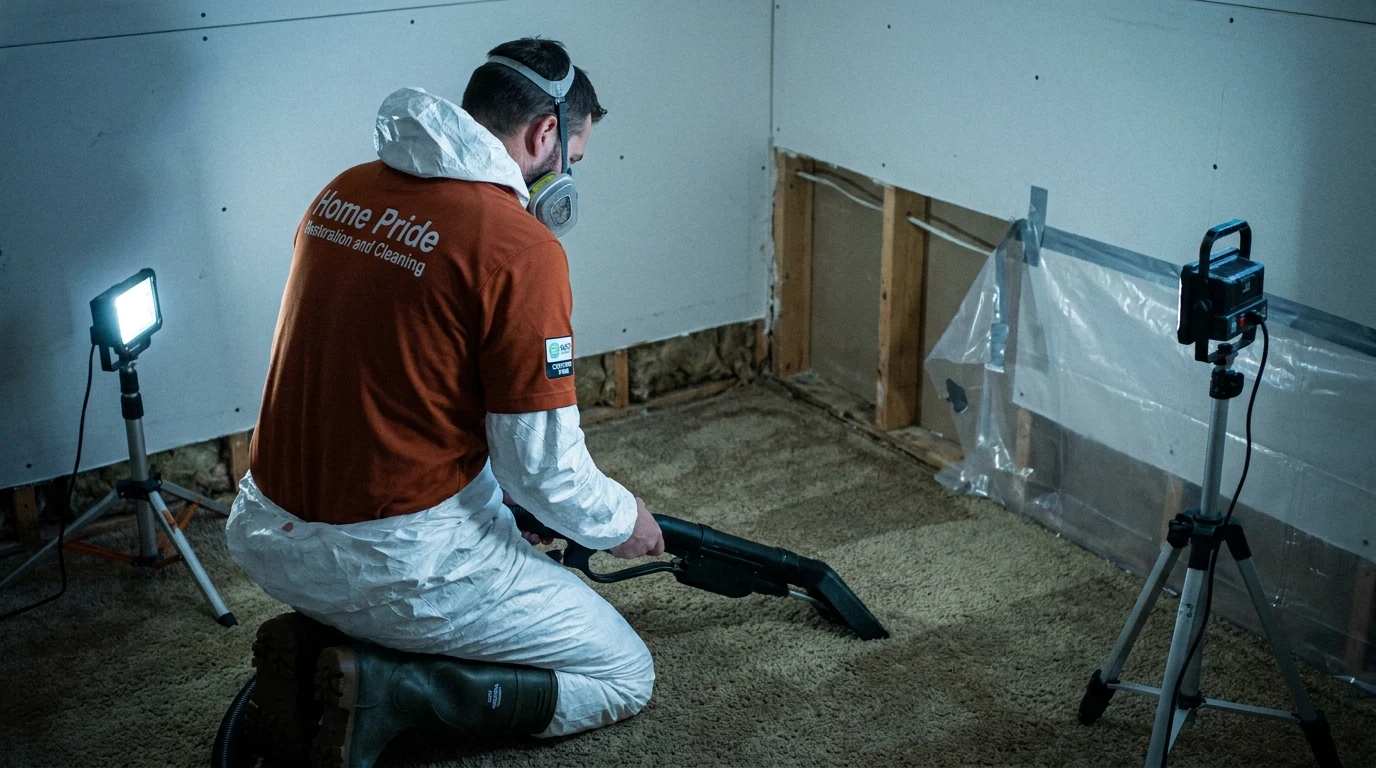
- Demolition of affected porous materials. Carpet, pad, and drywall above the flood-cut line come out and get bagged for disposal.
- Cleaning and antimicrobial application. Remaining structural surfaces are cleaned and treated to address the health risk, following IICRC S500 protocols and CDC guidance for cleaning safely after a disaster.
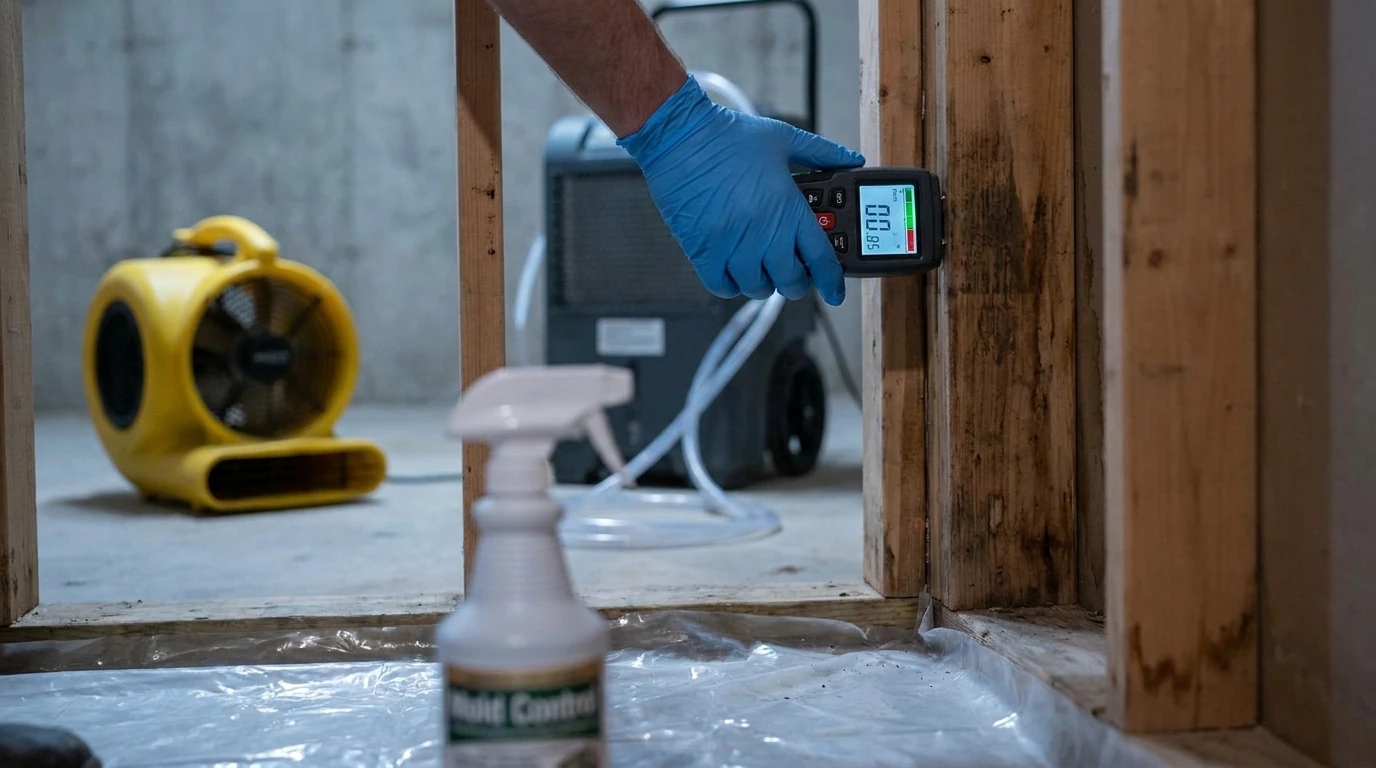
- Structural drying. Air movers and dehumidifiers run until moisture meter readings confirm the structure is dry, typically 3-5 days.
- Verification and rebuild. A final moisture check closes out the mitigation phase before any drywall or flooring goes back in.
If you want more detail on why this isn’t a DIY weekend project, the health risks of a sewage backup are worth understanding before you touch anything yourself.
What should you do right now if this just happened?
Shut off the water source if it’s safe to do so, keep people and pets away from the affected area, and avoid walking contaminated water through the rest of the house. Don’t run a shop vac rated for wet/dry use on raw sewage; it’s not built for the contamination level and can cross-contaminate other areas.
Take photos of the damage and the source before anything is moved or cleaned, since this documentation matters for any insurance claim. If the backup reached a finished space with carpet or drywall, call Home Pride Restoration at (801) 995-2437 for a same-day assessment and a written scope before deciding what’s salvageable versus what needs to come out.
A sewage backup in a finished basement is not a wait-and-see situation. The longer Category 3 water sits against drywall and carpet, the more material has to be removed, which is the single fastest way a cleanup bill grows.
About Home Pride Restoration
Home Pride Restoration LLC is an IICRC-certified company serving Saratoga Springs, UT and the surrounding Utah County area since 1997. Their crews handle sewage cleanup, basement flooding, and water damage restoration across the region, available 24/7 for emergency assessments.
Need help now? Call Home Pride Restoration at (801) 995-2437.