
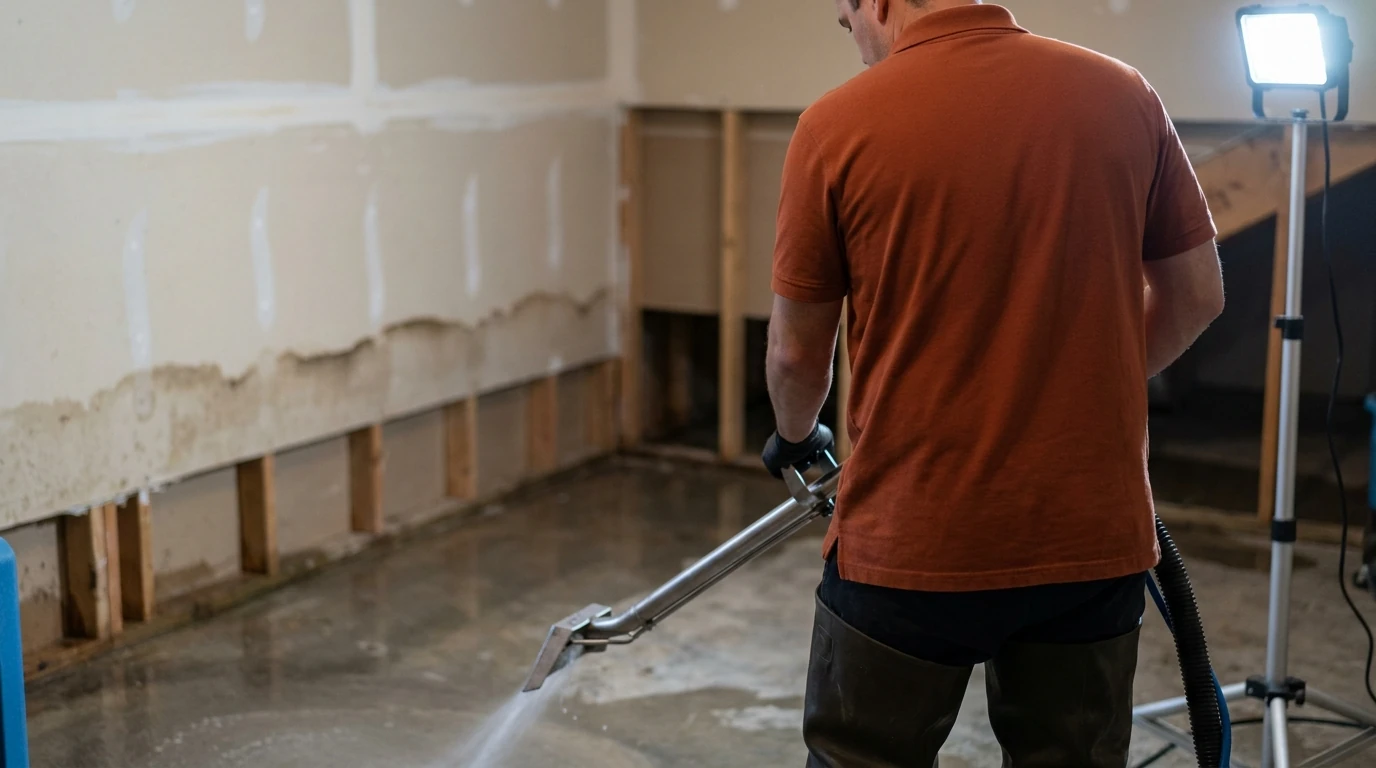
TL;DR: If your basement just flooded in Saratoga Springs, Utah, shut off the water source if you can reach it safely, then call Home Pride Restoration LLC at (801) 995-2437. The crew answers 24/7 and can get extraction and drying equipment running the same day, which matters because standing water starts damaging drywall, baseboards, and subfloor within hours. If the water involves sewage or you smell gas or see sparking outlets, treat those as separate emergencies and act on them first.
Standing in two inches of water at the bottom of your stairs is not the moment to start researching restoration companies from scratch. Maybe a sump pump failed during last night’s rain, maybe the water heater in the utility room let go, or maybe groundwater just found its way in through a foundation crack near Harbor Point or Fox Hollow. Whatever the source, the next 30 minutes matter more than the next 30 days, and knowing who to call in what order keeps a bad night from turning into a bad month.
Who do I call first, a restoration company or a plumber?
Call a restoration company first if water is already pooled on the floor, since every hour it sits increases drywall, flooring, and mold risk; call a plumber first only if water is still actively running from a visible, reachable source you can’t shut off yourself.
Most basement floods in Saratoga Springs trace back to one of three things: a failed sump pump during heavy rain, a burst or leaking supply line, or groundwater pushing through foundation cracks during spring runoff. If you can find and close the shutoff valve, do that immediately, it’s often more effective than waiting on anyone. Once the source is controlled (or if it’s groundwater and there’s no valve to turn), the priority shifts entirely to extraction and drying. That’s restoration work, not plumbing work, and it’s time-sensitive in a way a pipe repair appointment usually isn’t.
What should I do before help arrives?
Before anyone arrives, cut power to the flooded area at the breaker if outlets or the water heater are submerged, move valuables and furniture off the wet floor, and start taking photos for your insurance file.
Don’t run a shop vac over standing water near an energized outlet. Don’t walk through water that’s touched a floor drain or sewer cleanout, that’s a different category of hazard entirely (what’s called Category 3, or black water, under the ANSI/IICRC S500 standard) and needs a crew trained for sewage exposure, not a wet-dry vac. If you’re dealing with that kind of backup specifically, our post on sewage backup health risks covers why that water category isn’t a DIY job even when the volume looks small.
Will my homeowners insurance pay for this?
It depends entirely on where the water came from: a burst pipe or failed appliance is usually a covered peril under a standard homeowners policy, but groundwater and surface flooding typically are not, and need a separate flood policy to be covered.
This distinction trips up a lot of Saratoga Springs homeowners, because “my basement flooded” sounds like one problem but insurers treat it as two very different ones. A burst supply line is sudden and accidental, the kind of loss most policies are built to pay for (see the Insurance Information Institute’s rundown of which disasters are covered). Water that rises from the ground outside, through a foundation wall or a window well, generally falls under flood coverage through the National Flood Insurance Program instead, which you’d need to have purchased separately (FEMA’s FloodSmart explains how that claim process works if it applies to you). Either way, document everything with photos and a written scope of work before repairs start, since that paperwork is what an adjuster actually reviews.
What happens once I make the call?
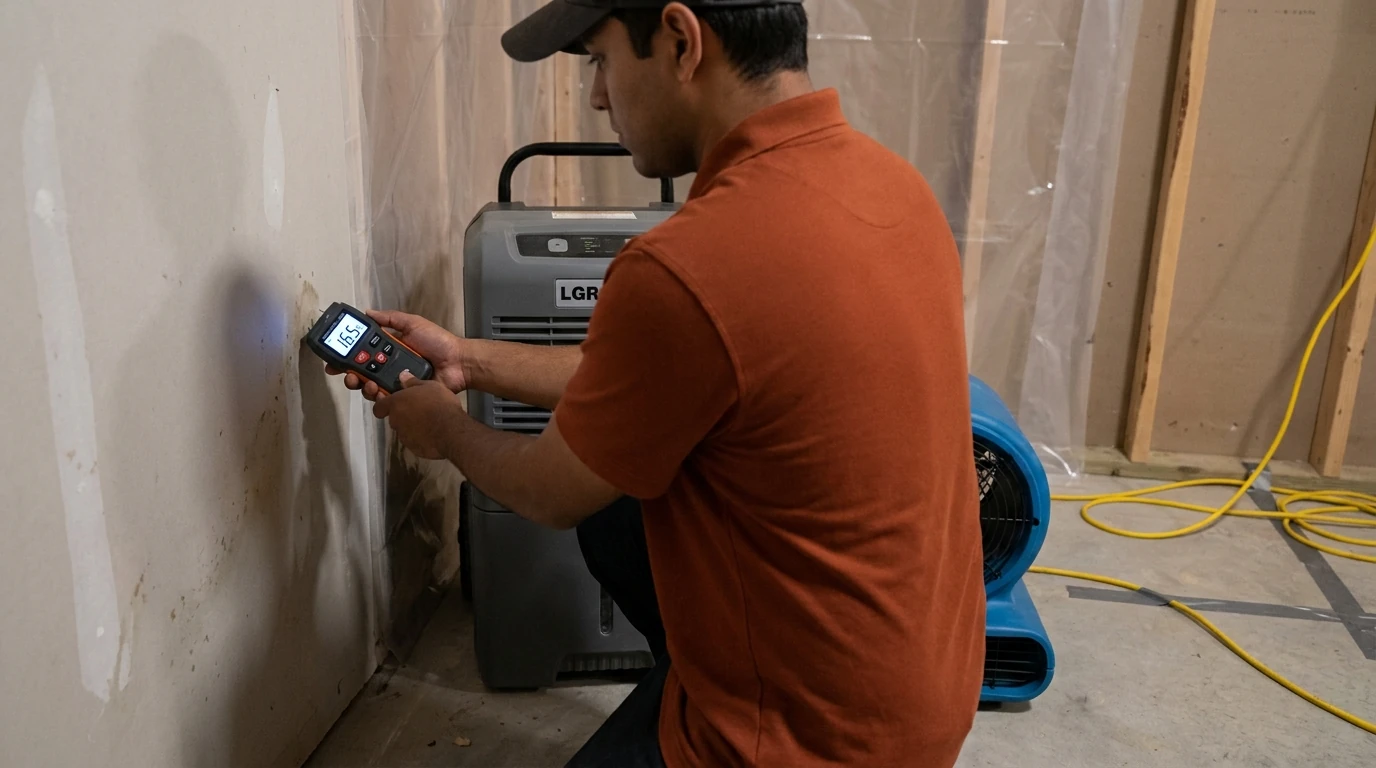
A real emergency call starts with someone asking what’s flooded, how deep, and how long it’s been sitting, then a crew arrives with extraction equipment, pulls standing water, and sets moisture readings on the exposed materials to decide what stays and what comes out.
For basement flooding specifically, that usually means truck-mounted extraction for standing water, then LGR dehumidifiers and air movers positioned to dry framing, subfloor, and any salvageable drywall over the following days. Baseboards and lower drywall often get cut and removed if they’ve wicked water for more than a few hours, not because the crew is being aggressive, but because wet drywall below the flood line rarely dries back to a stable state. Home Pride Restoration LLC has handled this exact pattern across Saratoga Springs basements for years, and documents moisture readings throughout the job so the paper trail matches what your insurer expects to see. If you want the fuller first-24-hours walkthrough, our guide on what to do in the first 24 hours after water damage runs through the drying timeline in more detail.
If your basement is wet right now, the call matters more than the comparison shopping. Call Home Pride Restoration at (801) 995-2437 to get extraction started, or read how local homeowners have rated their options in our roundup of water damage restoration companies in Saratoga Springs before you decide.
About Home Pride Restoration
Home Pride Restoration is an IICRC-certified company serving Saratoga Springs, Utah since 1997. The crew handles water damage restoration, basement flooding cleanup, burst pipe repair, sewage cleanup, and mold remediation across Saratoga Springs, Lehi, Eagle Mountain, and the surrounding Utah County area, and answers calls 24/7.