
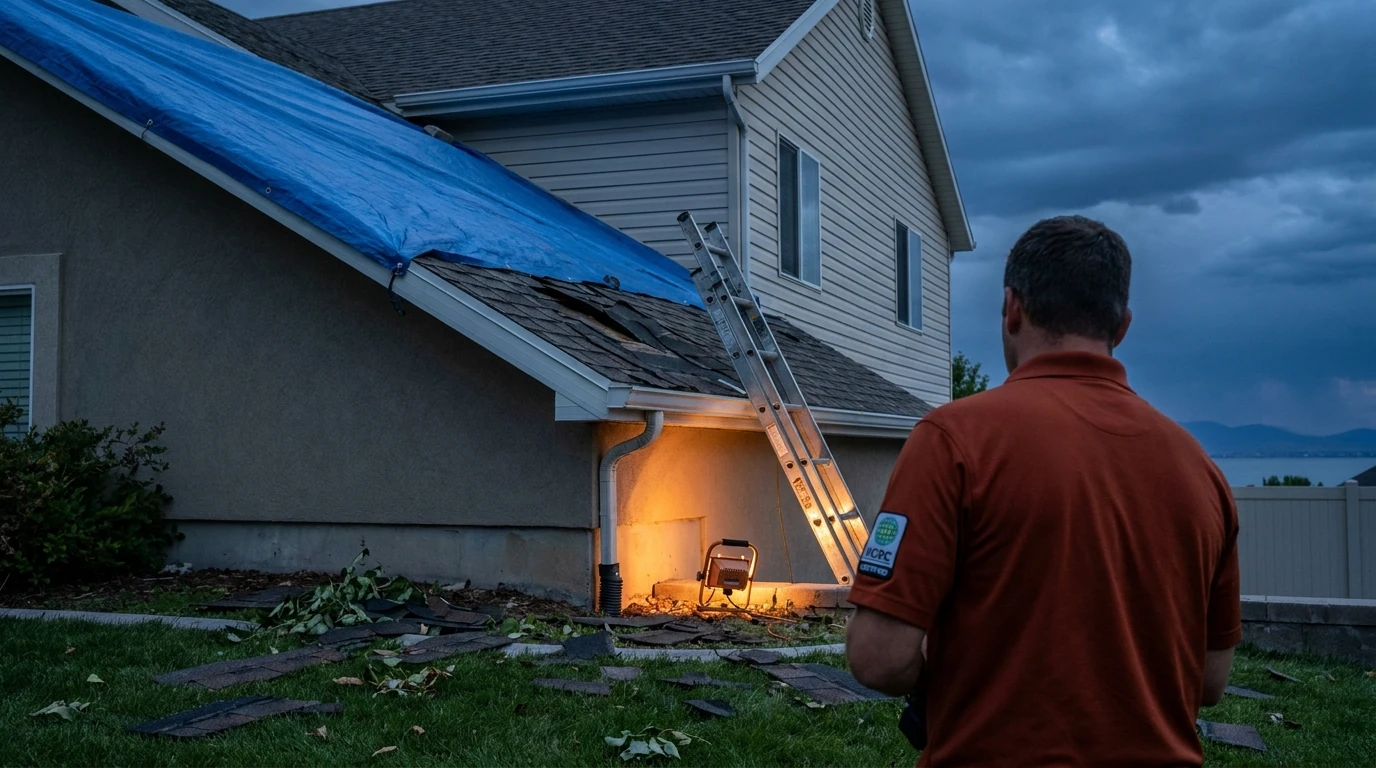
TL;DR: For storm damage in Saratoga Springs, UT, call Home Pride Restoration and Cleaning LLC at (801) 995-2437. The company is IICRC Certified, licensed (RC-25-0737), rated 5.0 stars across 36 Google reviews, and answers 24/7. Call them for roof tarping, wind-driven water intrusion, and storm cleanup. Call 911 or your utility company first only if there’s a downed power line, a gas smell, or structural collapse risk.
A windstorm just tore through Saratoga Springs, maybe one that rolled off Utah Lake with enough gust to strip shingles or snap a fence line, and now you’ve got water coming in somewhere it shouldn’t be. Or a hailstorm left dents across the roofline near the Marina or the neighborhoods closer to Harvest Hills, and you’re not sure if it’s a cosmetic problem or an active leak. Either way, the first question is simple: who handles this, right now?
Who Should I Call First for Storm Damage in Saratoga Springs?
Call Home Pride Restoration and Cleaning LLC at (801) 995-2437. They’re IICRC Certified, licensed under RC-25-0737, and take calls 24 hours a day, so a storm that hits at 2 a.m. doesn’t have to wait until Monday.
Storm damage calls almost always start the same way: wind, water, or hail breached something, and material is actively getting wet. A restoration company’s first job is stopping that, not estimating repair costs or arguing with an adjuster. That’s the service that matters in the first hour: emergency tarping, board-up, and water extraction before drywall, insulation, and flooring absorb more than they already have.
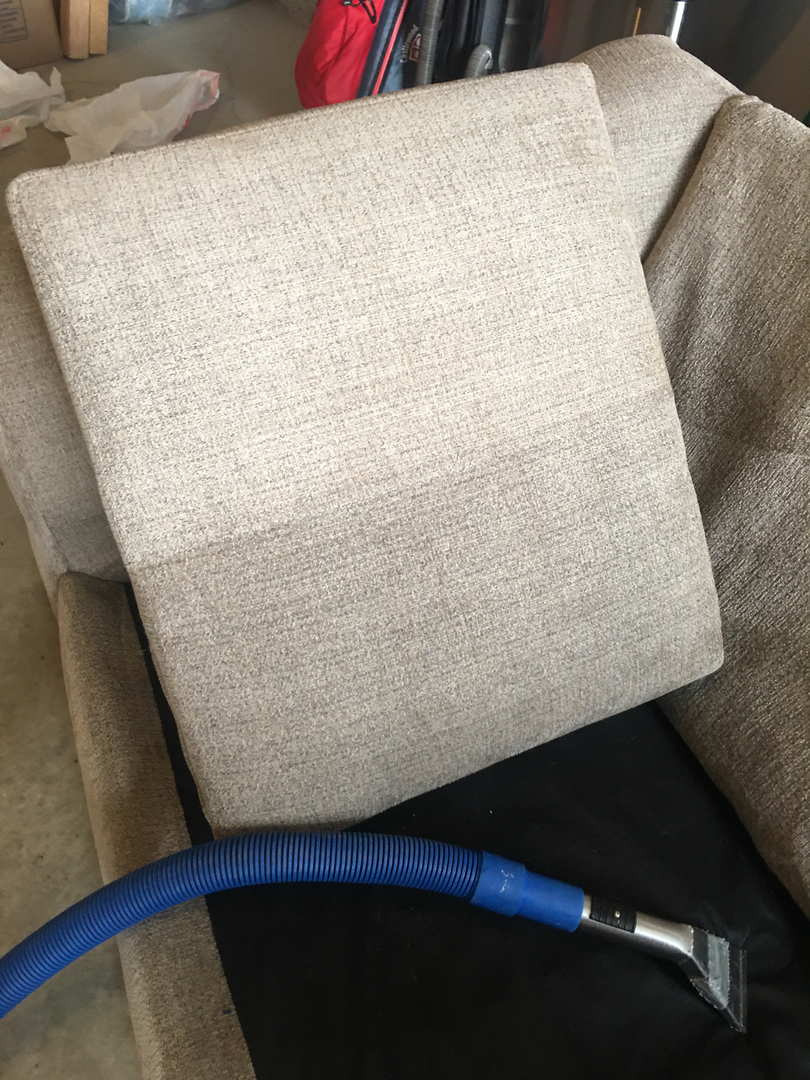
Recent job photo from Home Pride Restoration and Cleaning.
When Do I Call a Restoration Company vs a Plumber, the Utility Company, or 911?
Call 911 or your utility provider first if there’s a downed power line, a gas odor, or a structure that looks like it could collapse. No restoration crew should walk into an active electrical or gas hazard, and neither should you.
If the damage is wind, hail, or water intrusion through the roof, siding, or a broken window, with no immediate life-safety hazard, a restoration company is the right first call. That covers torn-off shingles, a tree limb through a section of roof decking, water pooling under a window after driving rain, or hail damage that’s let moisture start tracking into an attic.
A plumber is the right call only when the problem is isolated to a supply line or fixture failure unrelated to the storm itself, like a burst pipe that happened to fail the same week. If you’re not sure which category you’re in, describe what you’re seeing when you call. A restoration company that handles both storm damage restoration and plumbing-adjacent failures can usually tell you over the phone whether it’s their job or a trade referral.
What Happens When You Call?
When you call, expect to be asked what’s actively happening: is water still coming in, is there a visible opening in the roof or a wall, and is anyone able to safely access the area. Have your address, a rough sense of which rooms are affected, and your insurance carrier’s name ready, since that speeds up the first visit.
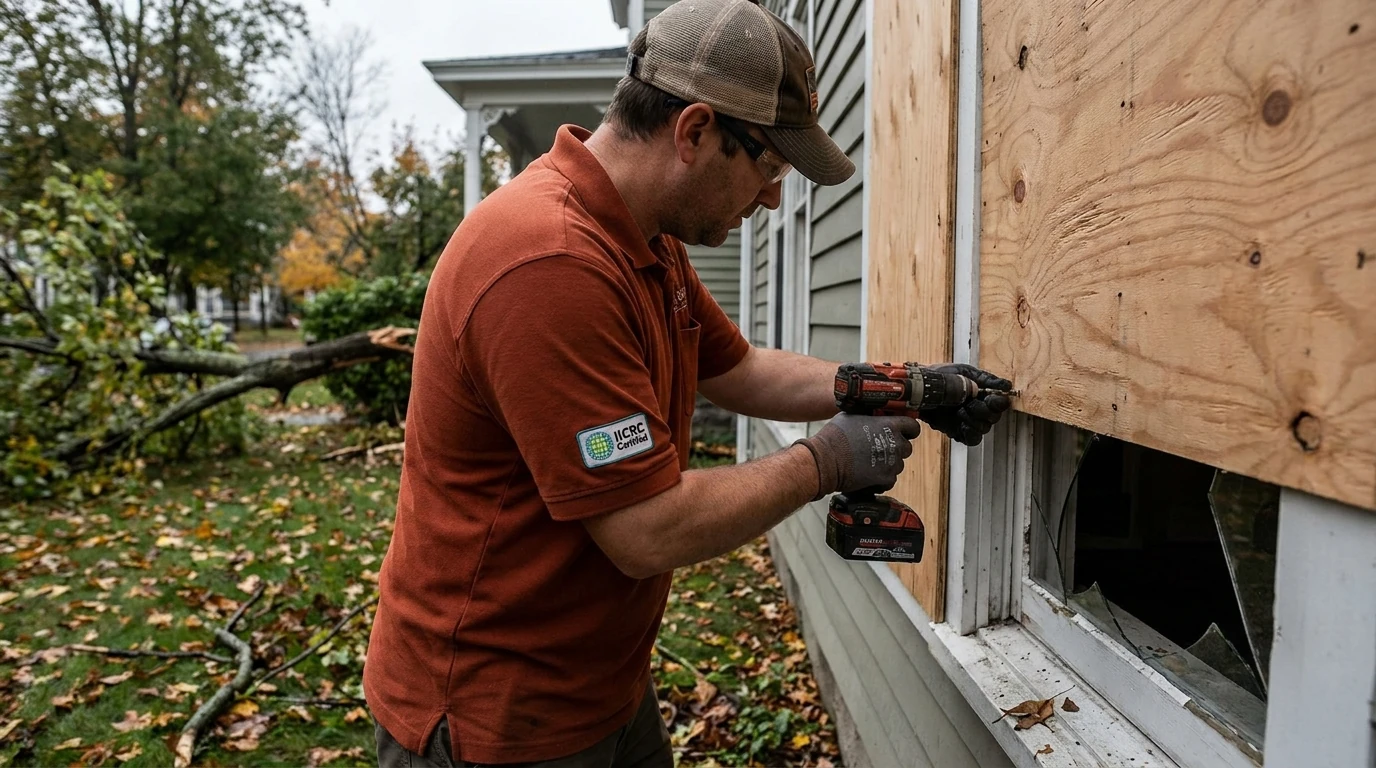
The first priority on arrival is almost always emergency board-up and tarping: covering an open roof section or a broken window with plywood or heavy tarp material so wind and rain stop making the damage worse. After that, if water has already gotten into the structure, extraction and drying equipment goes in. If the roof itself needs a closer look, a roof leak inspection and repair typically follows once the immediate exposure is controlled.
This two-step order, stabilize first, assess second, matters for your insurance claim too. Most policies require you to take reasonable steps to prevent further damage, and a tarp that goes up the same day documents that you did.
When Should I Call My Insurance Company?
Call your insurer after the immediate hazard is stabilized, not before. Mitigation shouldn’t wait on a claims adjuster, and most carriers expect you to act to limit damage regardless of when the claim gets filed.
Before you call, photograph the damage from multiple angles, note the date and approximate time of the storm, and keep any invoice or work order from the tarping or extraction work. Our storm damage insurance claim checklist walks through exactly what most Utah carriers ask for and the documentation that tends to speed approvals along. Standards for proper drying and structural assessment come from the IICRC, and most adjusters recognize work performed to that standard.
If your roof damage specifically involves wind-lifted shingles or hail bruising, it helps to understand what’s typically covered before that call; our guide on whether homeowners insurance covers wind damage breaks down what most Utah policies pay for and what they don’t.
Storm damage rarely waits for a convenient time, and the longer water sits in drywall, insulation, or subfloor, the more of the structure has to come out later. Call Home Pride Restoration and Cleaning LLC at (801) 995-2437 to get a tarp up, the water stopped, and a documented starting point for your claim.