
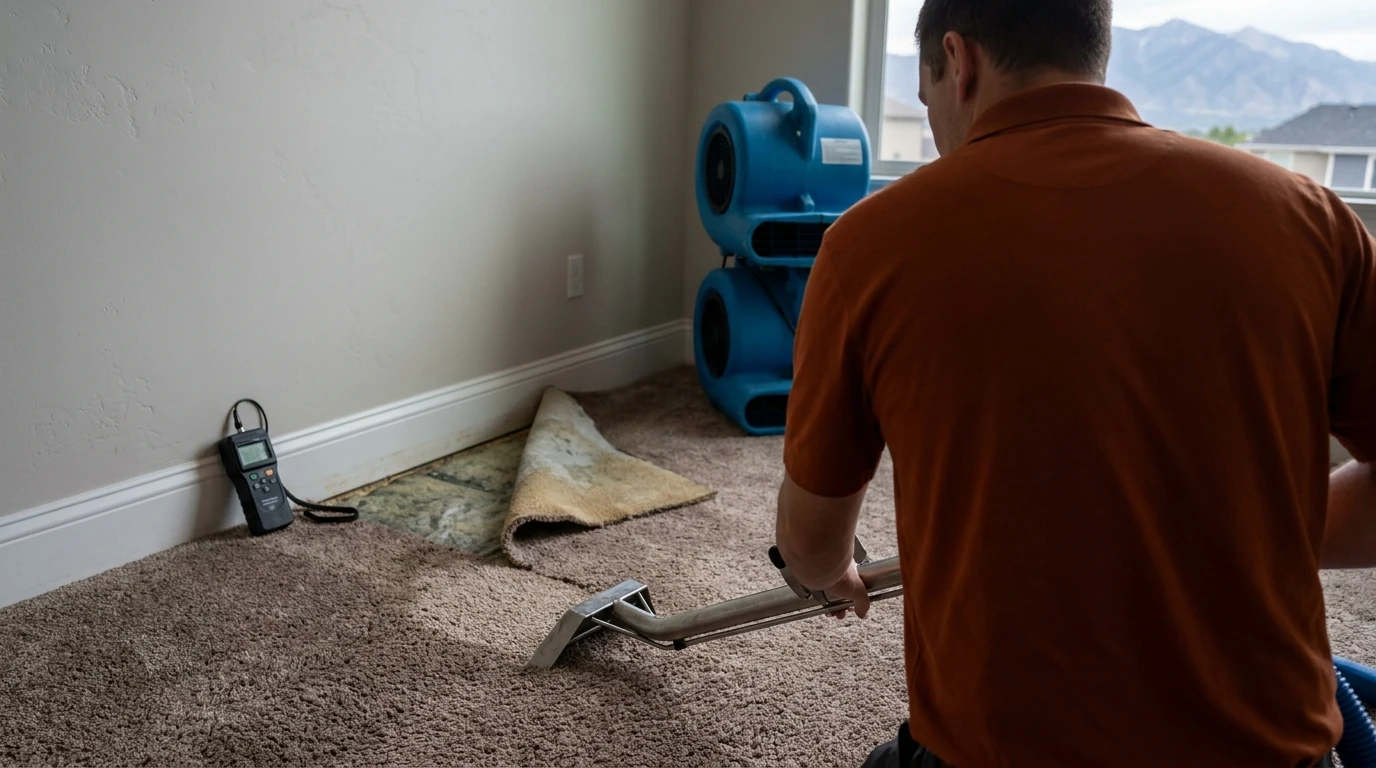
A burst pipe doesn’t wait for a convenient time. Water finds the lowest point in the house fast, soaks into carpet pad within minutes, and starts wicking up drywall before most homeowners finish shutting off the main valve. One recent review from a Home Pride Restoration LLC customer, Joe, describes exactly what a well-run response to that kind of emergency looks like, and it’s worth unpacking because the steps he mentions are the steps that actually save a home.
I called Home Pride Restoration and Cleaning after a burst pipe and was impressed by how quickly they responded. The team was professional, efficient, and very thorough, everything from emergency water extraction to carpet water extraction was handled smoothly. I appreciate the fast service and will definitely choose them again for any future water damage restoration needs.
- Joe, verified Google review
What “How Quickly They Responded” Actually Means
Response speed on a burst pipe call is about getting water moving out of the structure before it migrates further, not just arriving on time. Every hour standing water sits on flooring or inside wall cavities, it spreads capillary action into materials that were dry a few feet away.
A fast response also means less demolition later. Drywall, baseboard, and subfloor that get pulled out early get dried in place more often than materials that sat wet for a day while someone shopped around for a contractor. That’s the practical reason “how quickly they responded” shows up first in almost every positive review of a water emergency call: speed is the variable that controls everything downstream, including cost. For a step-by-step breakdown of what to do in the minutes before help arrives, see our burst pipe emergency checklist.
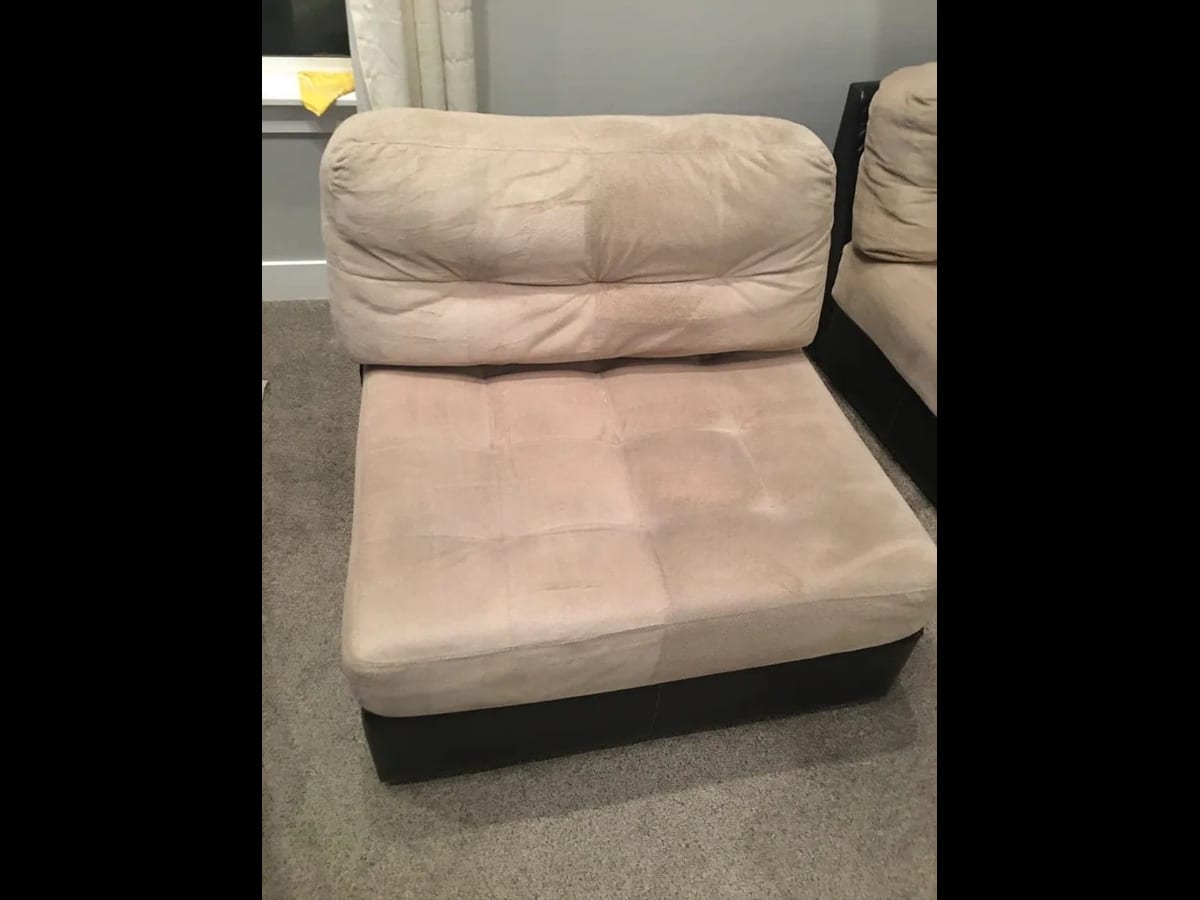
Recent job photo from Home Pride Restoration.
What Emergency Water Extraction Involves
Emergency water extraction is the physical removal of standing or pooled water using truck-mounted or portable extraction equipment, done before drying equipment goes in. It’s the first real work on any water loss, and it has to happen before anything else does.
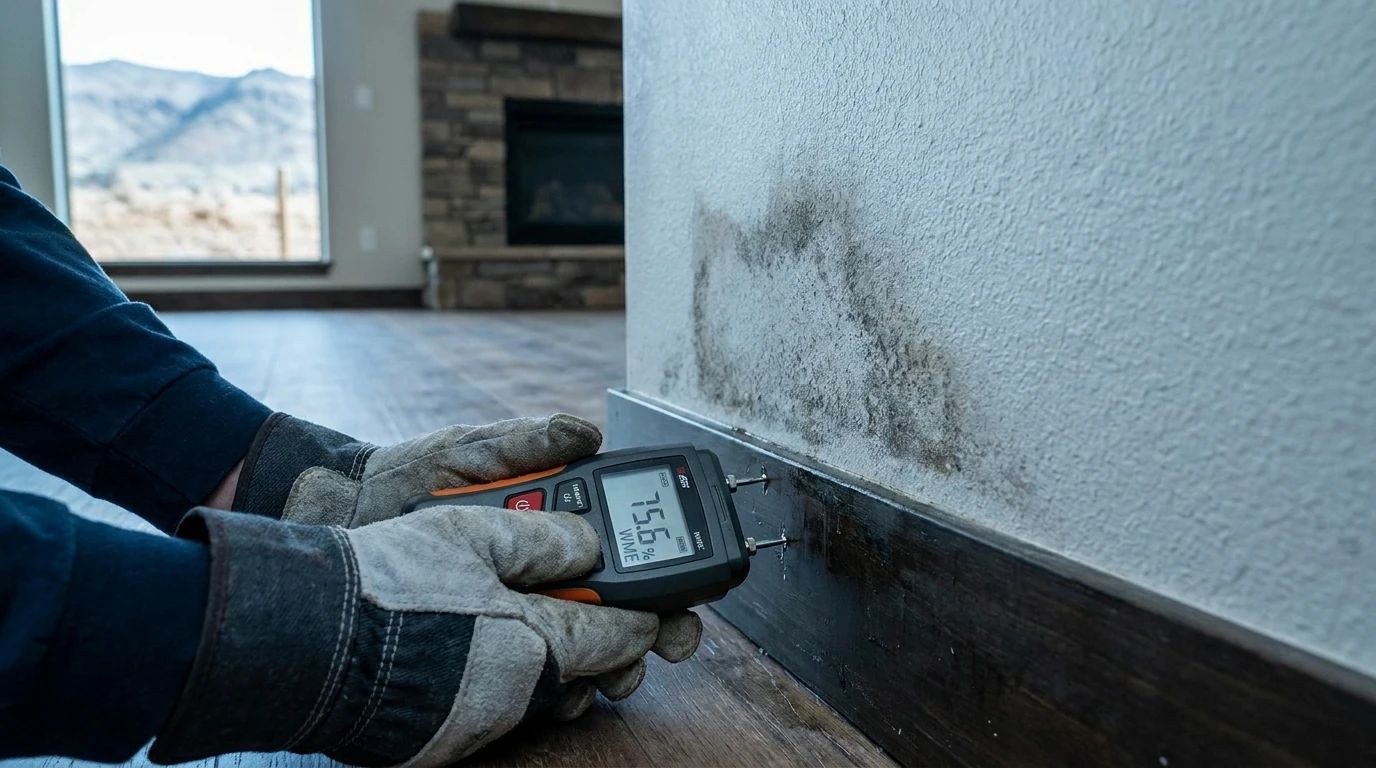
A technician typically starts with a moisture inspection to map how far the water traveled, often using a penetrating moisture meter on baseboards and subfloor. Standing water gets pulled with a wand or truck-mount extractor. Only after the bulk water is gone does the crew set air movers and a dehumidifier, following the drying principles in the IICRC S500 water damage standard, which lays out how restoration professionals are trained to dry a structure without trapping moisture behind walls or under flooring.
Why Carpet Water Extraction Is Its Own Step
Carpet water extraction is treated separately from general extraction because carpet and the pad underneath hold water differently than a hard floor does. A hard surface sheds standing water once it’s pulled; carpet pad acts like a sponge and keeps releasing moisture back into the carpet for hours after the surface looks dry.
That’s why Joe’s review specifically calls out carpet extraction as its own line item. A technician will often extract the carpet, pull it back to extract the pad underneath separately, and sometimes float the carpet up on blocks so air can move beneath it. Skipping that step is one of the more common reasons a DIY wet-vac job still ends up with mold under the carpet two weeks later, a problem we cover in more detail in how quickly mold grows after water damage.
What “Professional, Efficient, and Thorough” Looks Like on the Ground
Thorough, in a water damage context, means nothing gets missed because it’s out of sight. That includes checking inside cabinet toe-kicks, behind baseboards, and under laminate flooring where water can travel several feet past where it’s visible on the surface.
Efficient doesn’t mean rushed. It means the crew moves through extraction, moisture mapping, and equipment placement in the right order instead of guessing. Documentation matters here too: photos and moisture readings at each stage give homeowners and their insurance adjuster a clear record of what was wet, what was dried, and when drying was confirmed complete.
If a burst pipe or appliance leak has you standing in water right now, call Home Pride Restoration at (801) 995-2437 for emergency water extraction. The company, Home Pride Restoration LLC, is IICRC Certified and has served Saratoga Springs and the surrounding Utah County area since 1997.