
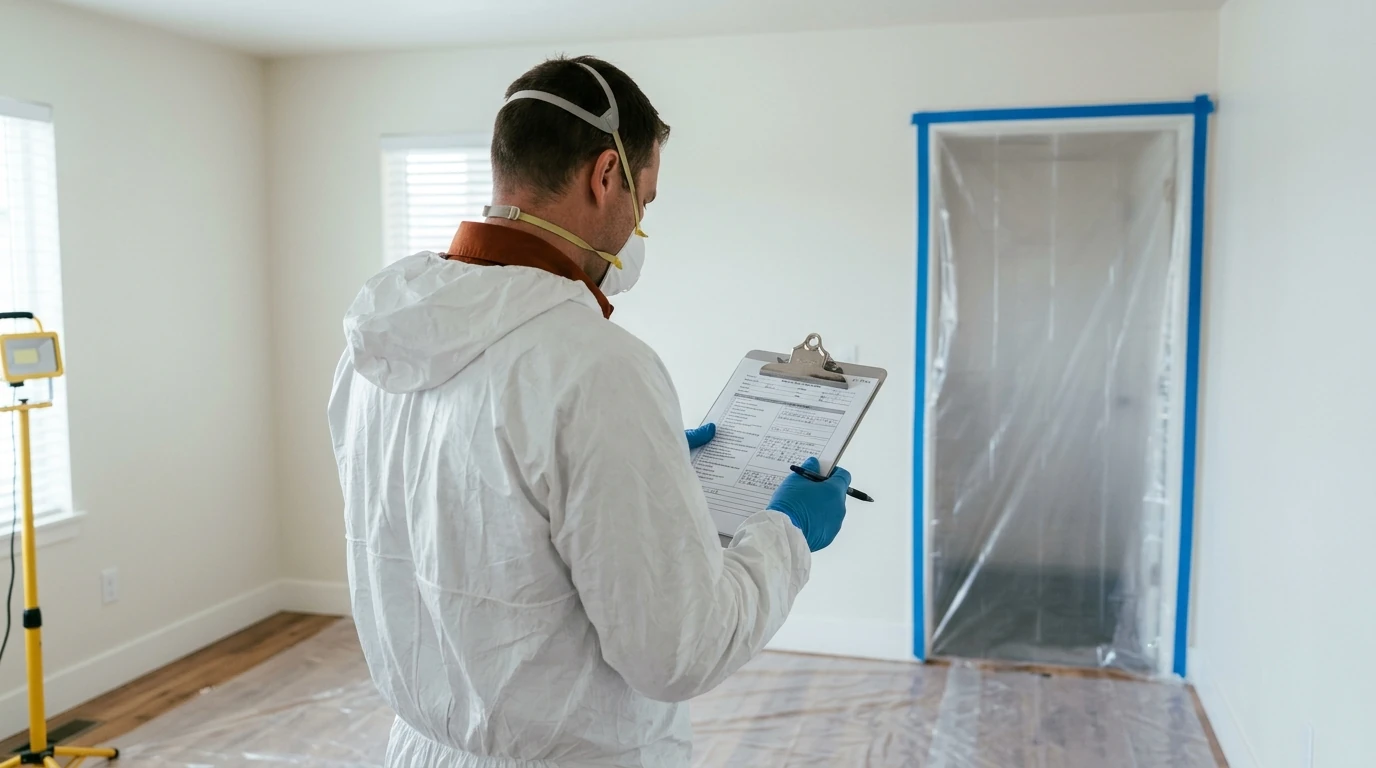
TL;DR: Biohazard cleanup in Saratoga Springs, UT typically costs between $500 for a small, early-discovered incident and $25,000 or more for an unattended death with advanced decomposition. The price depends on square footage, how long the scene went undiscovered, how many porous materials like carpet, drywall, and subflooring have to come out, and whether deodorization and regulated medical waste disposal are needed. Many homeowners insurance policies cover part of the cost when the triggering event was sudden and accidental, but coverage varies by policy and state.
If you’re dealing with an unattended death, a violent incident, or a biohazard situation in a Saratoga Springs home and you’re trying to get a number before you call anyone, you’re not alone. This is one of the first questions families and property managers ask, and it’s a fair one. The honest answer is that biohazard cleanup doesn’t have a flat rate the way a carpet cleaning does. It’s priced per job, based on what the scene actually requires.
What Does Biohazard Cleanup Typically Cost?
Most biohazard cleanups in Utah fall somewhere between a few hundred dollars for a small, contained incident and well over $20,000 for a large-scale unattended death cleanup. Here’s how that typically breaks down by scenario, using industry-typical ranges rather than a fixed price list, since every scene is different.
| Scenario | Typical Cost Range |
|---|---|
| Blood or bodily fluid cleanup, single room, discovered quickly | $500 to $2,500 |
| Sharps, needle, or infectious waste cleanup | $300 to $1,500 |
| Unattended death, moderate decomposition, single room | $3,000 to $8,000 |
| Unattended death, advanced decomposition, larger affected area | $8,000 to $25,000+ |
| Crime scene cleanup, non-fatal incident | $500 to $3,000 |
| Biohazard cleanup combined with hoarding conditions | $2,000 to $10,000 |
These are general industry ranges, not a quote. Home Pride Restoration provides a written scope of work and a specific price after assessing the actual scene, because square footage and material type change the number quickly.
What Drives the Price Up or Down?
Five factors determine where a job lands in that range: how much square footage is affected, how long the scene went undiscovered, how many porous materials have to be removed, whether odor treatment is needed, and how much regulated waste has to be disposed of.
Square footage and affected area. A single bedroom costs far less to remediate than a scene that has spread into a hallway, subfloor, or the room below through ceiling penetration.
Time before discovery. This is the single biggest cost driver in unattended death cleanup. Blood and other biological fluids begin breaking down building materials and generating odor-causing compounds within hours. A scene discovered the same day is a different job than one discovered after a week, because decomposition fluids penetrate subflooring, insulation, and framing the longer they sit.
Porous materials. Carpet, carpet pad, drywall, baseboards, and subflooring that have absorbed biological material generally cannot be cleaned and disinfected to a safe standard. They have to be removed and replaced, which adds both labor and reconstruction cost on top of the cleanup itself.
Odor and deodorization. Decomposition odor is caused by compounds that settle into wall cavities and HVAC systems, not just surfaces. Jobs that need thermal fogging, hydroxyl treatment, or HVAC cleaning run higher than a straightforward wipe-and-disinfect job.
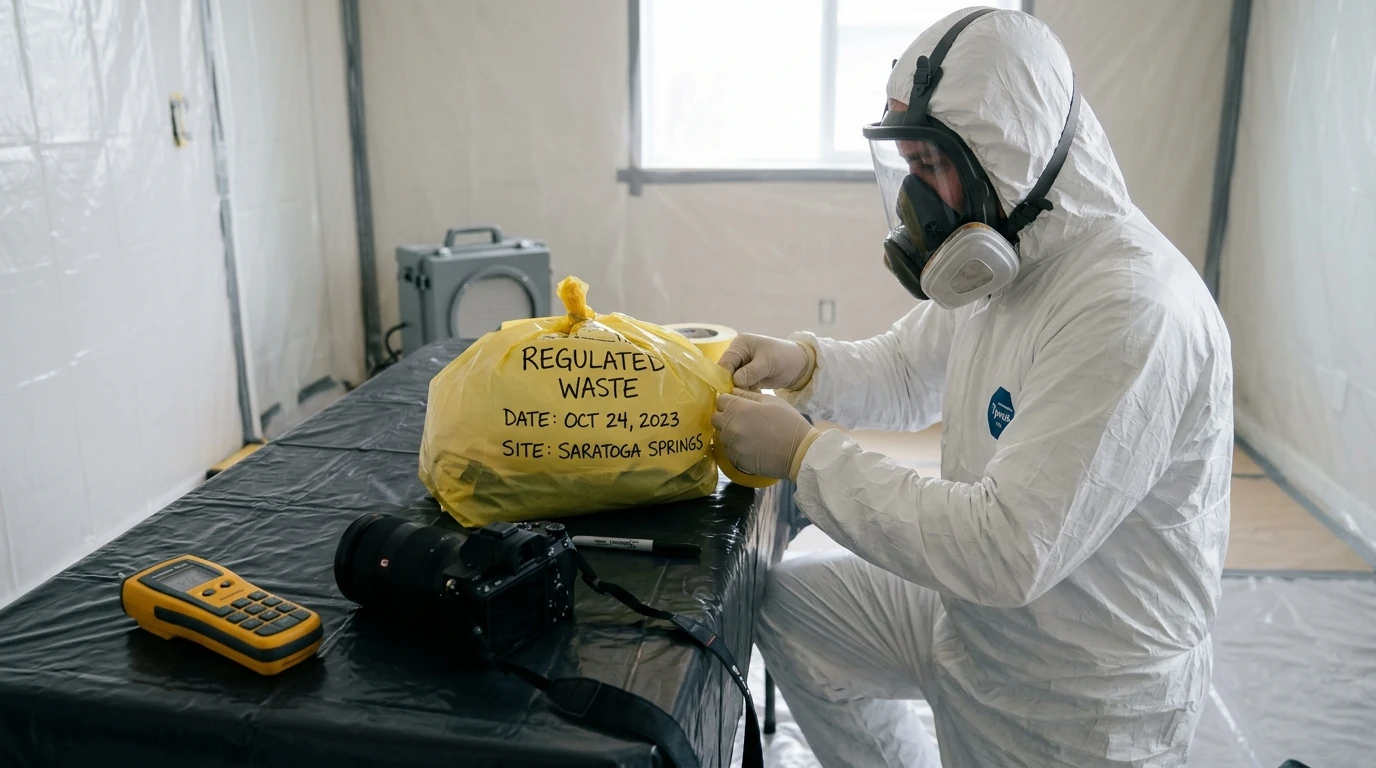
Regulated waste disposal. Biological waste is classified as regulated medical waste and has to be bagged, labeled, and transported by a licensed hauler to an approved disposal facility, not put in a household dumpster. That manifested disposal process adds a fixed cost regardless of job size.
If fire or smoke damage is also present, see our fire damage restoration cost guide for how those costs are typically calculated, since the same documentation approach applies.
Does Homeowners Insurance Cover Biohazard Cleanup?
Many homeowners insurance policies cover biohazard cleanup when it follows a sudden, covered event, such as an unattended death or an accident, but coverage isn’t automatic and it varies by policy. According to the Insurance Information Institute, standard homeowners policies generally cover sudden and accidental losses rather than situations tied to gradual neglect, and the same logic applies to trauma and biohazard claims.
The practical reality: call your insurer before cleanup begins if possible, and keep documentation of the condition of the scene, the scope of work, and all disposal receipts. Homeowners have a duty to mitigate further damage once a loss is discovered, which is part of why prompt professional response protects the claim rather than delays it. Coverage details differ by carrier and policy language, so it’s worth confirming specifics with your agent or checking the Utah Insurance Department consumer resources if you have questions about your policy.
What Happens During a Professional Biohazard Cleanup?
A professional biohazard cleanup follows a set sequence: scene assessment, containment, removal of contaminated materials, cleaning and disinfection, deodorization, and final clearance.
- Assessment and documentation. The crew evaluates the affected area, photographs the scene for insurance purposes, and identifies which materials are salvageable versus which need to be removed.
- Containment. Plastic sheeting and negative air pressure, when needed, keep contamination from spreading to unaffected rooms during the work.
- Removal of porous materials. Carpet, pad, drywall, and other affected materials that cannot be safely disinfected are removed and bagged as regulated waste.
- Cleaning and disinfection. Remaining surfaces are cleaned with hospital-grade, EPA-registered disinfectants following the procedures outlined in the ANSI/IICRC S540 Standard for Trauma and Crime Scene Cleanup.
- Deodorization. Odor-causing compounds that have settled into wall cavities or HVAC systems are treated separately from surface cleaning.
- Disposal and final inspection. Regulated waste is manifested and transported by a licensed hauler, and the space is inspected before it’s released back to the homeowner.
Why Isn’t Biohazard Cleanup a DIY Job?
Biohazard cleanup isn’t a DIY job because bloodborne pathogens like hepatitis B, hepatitis C, and HIV can survive on surfaces for hours to days, and handling them without proper training and PPE creates real exposure risk. The OSHA Bloodborne Pathogens standard exists specifically because untrained handling of blood and other potentially infectious materials is a documented workplace hazard, and the same exposure risk applies in a home.
Beyond the health risk, household trash haulers won’t legally accept biological waste, and most retail cleaning products aren’t formulated to neutralize bloodborne pathogens on porous building materials. A family member attempting to clean a scene themselves also faces the emotional weight of that task directly, which is part of why professional crews exist to take that burden off the household.
If you’re facing a biohazard situation in Saratoga Springs or anywhere along the Utah Lake corridor, getting a written scope of work before cleanup begins protects both your budget and your insurance claim. Call Home Pride Restoration at (801) 995-2437 to schedule a confidential assessment.
About Home Pride Restoration
Home Pride Restoration is an IICRC Certified company that has served Saratoga Springs, UT and the surrounding Utah County area since 1997. Their crews handle biohazard cleanup, trauma scene cleanup, sewage cleanup, and odor removal, along with water, fire, and mold restoration services, and are available 24/7 for emergency calls.
Video Transcript
Wondering what biohazard cleanup really costs in Saratoga Springs, Utah? The price depends on more than you’d think, let’s break it down together. Costs range from five hundred dollars for a small, early incident to twenty five thousand or more for advanced decomposition. A single bedroom costs far less than a scene that’s spread into hallways, subflooring, or even the room below. Time matters most. The longer a scene goes undiscovered, the deeper fluids soak into floors, walls, and framing. Carpet, padding, drywall, and subflooring that absorb biological material usually can’t be saved, they have to be removed and replaced. Odor sinks into wall cavities and HVAC systems, so some jobs need fogging or hydroxyl treatment to fully clear it. Biological waste is regulated. It must be bagged, labeled, and hauled away immediately by licensed professionals, never a regular dumpster. Many homeowners policies cover sudden, accidental events like these, but coverage varies, so call your insurer early and document everything. Your contractor documents the scene, contains it safely, removes contaminated materials, disinfects thoroughly, and clears it for full peace of mind. Don’t guess at the cost. Call Home Pride Restoration LLC at (801) 995-2437 for a free estimate.